ABOUT ME
A guitar between traditions

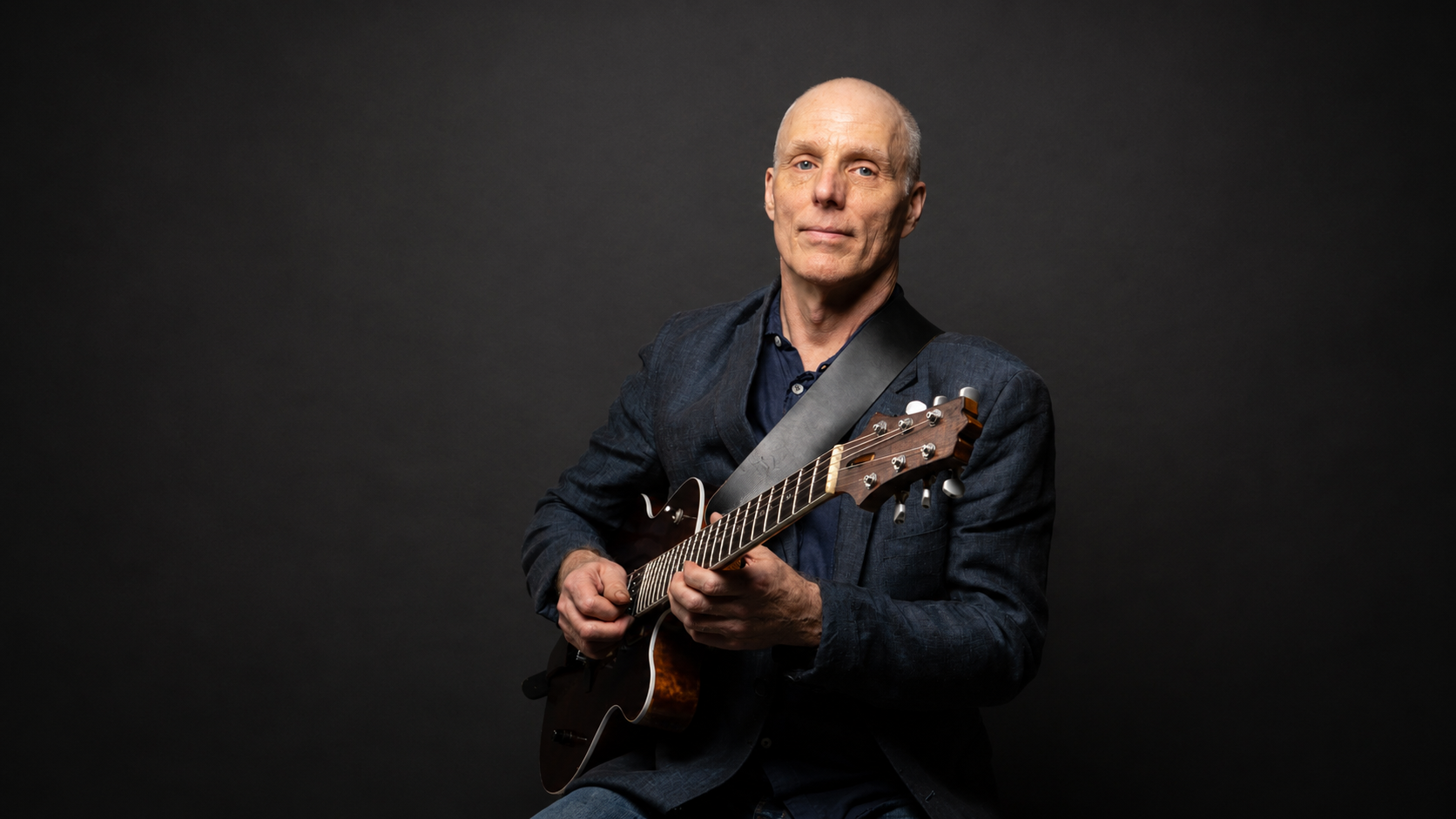
Brad Shepik Biography
Guitarist, composer, and educator Brad Shepik has built a distinguished 33-year career at the intersection of jazz and world music. He has released nine albums as a leader and performed at major festivals and venues throughout Europe, North and South America. A prolific recording artist, he appears on more than 70 albums and has received commissions and grants from the Seattle Arts Commission, Chamber Music America, the Puffin Foundation, and the New York Foundation for the Arts.
Shepik’s extensive sideman work includes collaborations with Paul Motian’s Electric Bebop Band, Dave Douglas’ Tiny Bell Trio, Bob Brookmeyer, Charlie Haden, Carla Bley, Simon Shaheen’s Qantara, Yuri Yunakov’s Bulgarian Wedding Band, Chandrika Tandon’s Shivoham, Gnawa of Hope, Joey Baron, Pachora, Matt Darriau’s Paradox Trio, Combo Nuvo, Kiran Ahluwalia, George Schuller, Jamie Baum, Jay Clayton, Ben Holmes’ Naked Lore, The Vex Collection, Arthur Kell, and many others. His trio Believers, with world percussionist John Hadfield and bassist Sam Minaie, explores global rhythmic traditions through a contemporary jazz lens. In 2024 he released Dream of the Possible (Shifting Paradigm), a concert-length suite addressing climate change. His 2025 album Hard Believer (Shifting Paradigm) was named one of DownBeat’s Best Releases of 2025.
Upcoming projects
Upcoming projects include Amblur, (March 2027) a quartet with Ben Monder, Bob Lanzetti, and Diego Voglino; Affinity, a Jazz/Carnatic fusion group with master kanjira player Swaminathan Selvaganesh; and Balkan Peppers, a Balkan–jazz ensemble featuring master Rom percussionist Seido Salifoski.
Teaching as practice
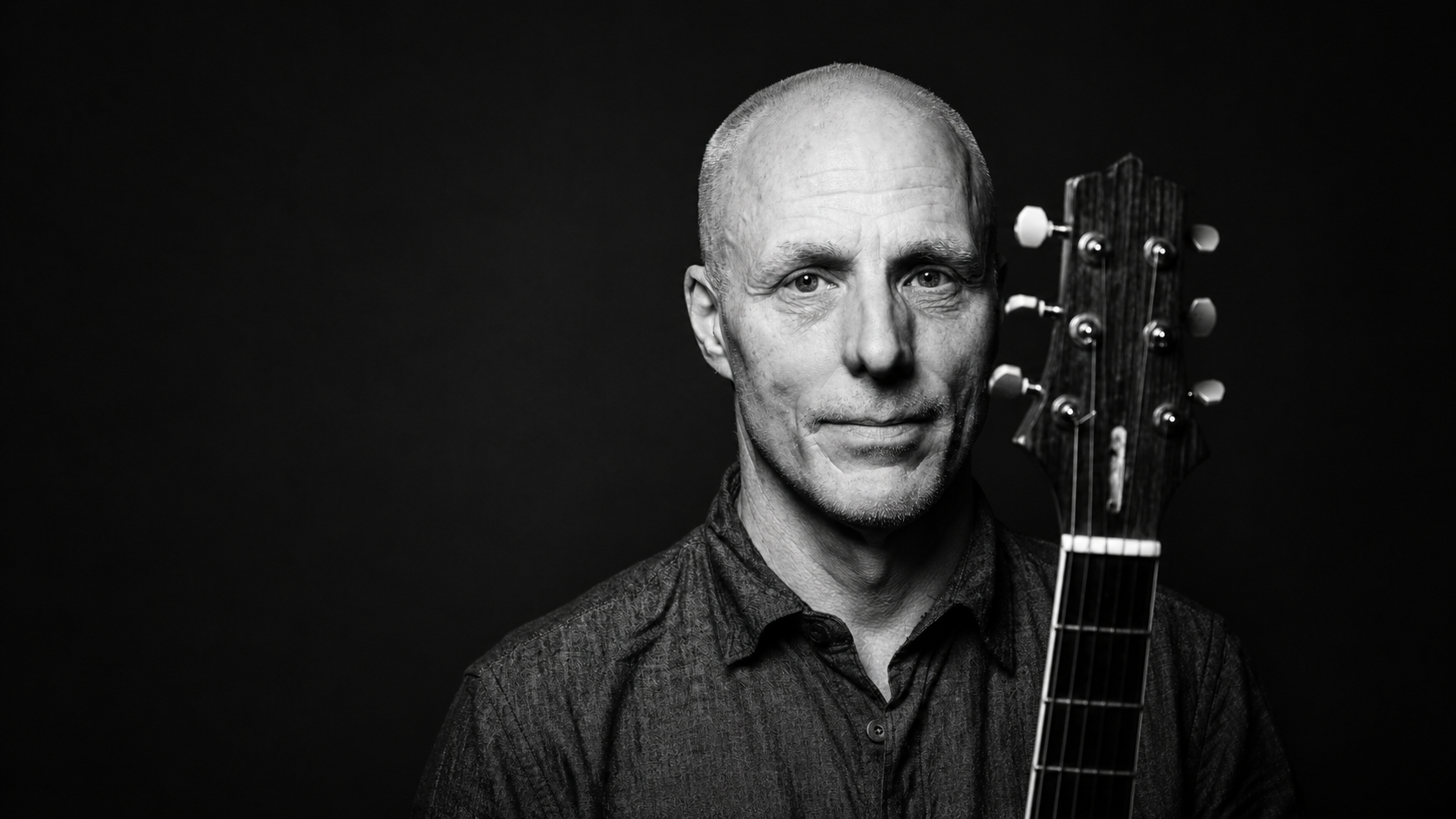
Shepik has taught at NYU Steinhardt and The New School for over twenty years, and considers the classroom inseparable from the bandstand. His courses on odd-meter phrasing and modal improvisation have shaped a generation of players now leading their own ensembles across Europe and the United States.
His published scores — lead sheets, ensemble parts and full suites — grew directly out of that work, written first for students and only later for the stage.